
The Best of the Park is after Dark
By Suzanne Thelen

Natural darkness is increasingly rare, and the beaches, dunes, and fields in the Park offer a variety of different choices for dark night sky viewing.
Image by Micah Norris
Visitors to Sleeping Bear Dunes National Lakeshore are well acquainted with stunning views that melt into spectacular sunsets. After the sun sets, and twilight falls on the beaches, stretching shadows across the Lake, they leave, arguably missing the best shows the Park offers – a dark night sky.
Sleeping Bear Dunes is a great place to see stars and cosmic events, which are often masked by light pollution in populated areas. Natural darkness is increasingly rare, and the beaches, dunes, and fields in the Park offer a variety of different choices for dark night sky viewing for new and experienced stargazers or astrophotographers.
Star Parties, offered by the Park in partnership with the Grand Traverse Astronomical Society (GTAS), are great opportunities to learn from local experts and view celestial bodies by using high-powered telescopes demonstrated by members of the Society. Rangers provide important information on navigating the park at night and often supply clear red cellophane wraps to shield flashlights, reducing the amount of light while still enabling you to see where you are walking.
Whether you are attending a Star Party or exploring the night sky on your own, using a red cover or flashlight with a red beam keeps your eyes accustomed to the dark and prevents light disruptions for astrophotographers, which we can all be with as little as a recent smartphone (just don't use your phone as a flashlight without a red cover).
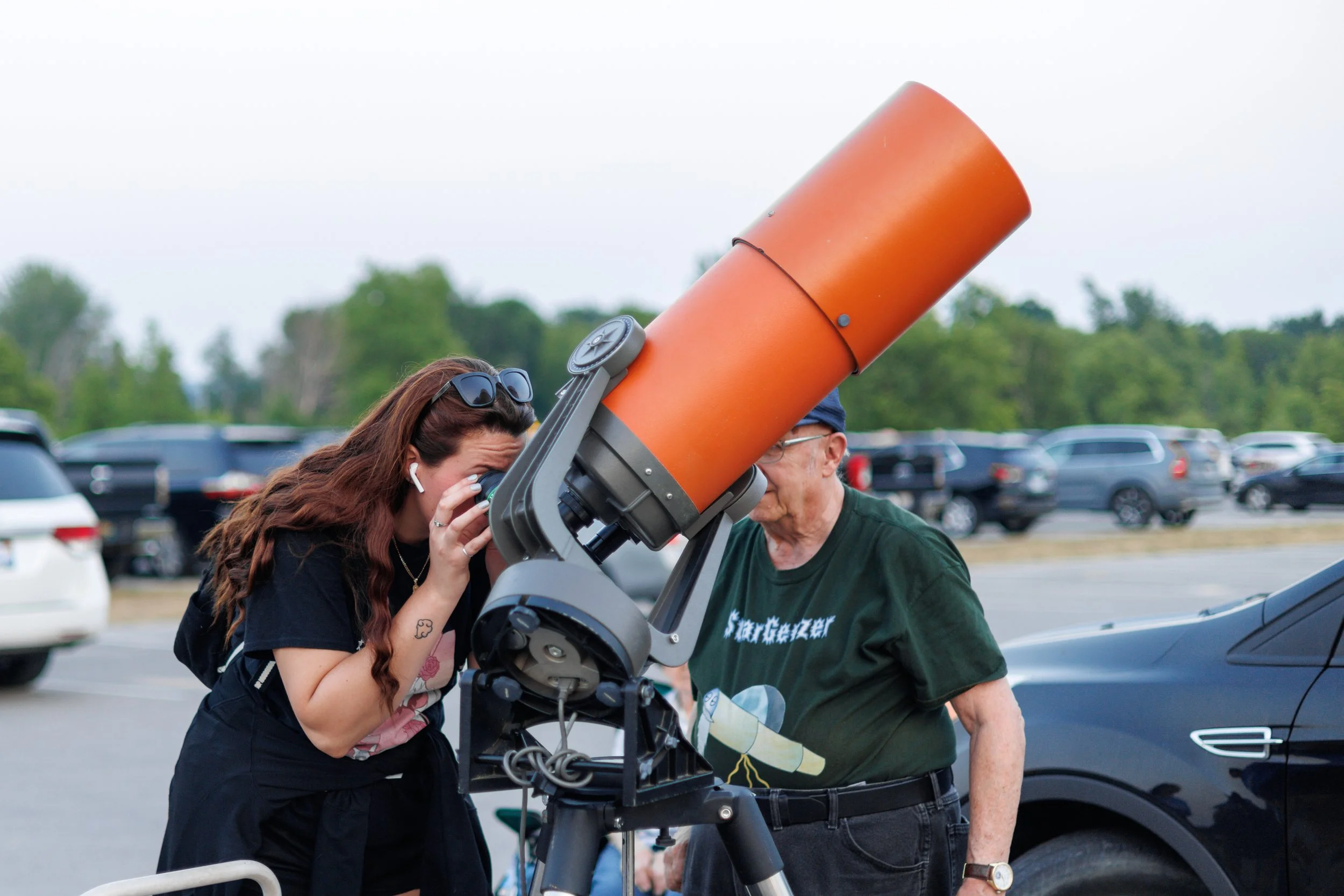
A Star Party at Thorenson Farm was my first introduction to stargazing in the park. After viewing planets and moons through GTAS telescopes, then lying on a blanket watching the Milky Way rise over the field punctuated by pops of Perseids' meteors flecking the dark sky, I was hooked on enjoying the Park after dark. Since then, I have enjoyed stargazing on dark summer nights, lying with my back nestled against warm dunes, serenaded by the sounds of waves and the nocturnal voices of creatures that live in the park, and I have also witnessed the majesty of the Northern Lights illuminating the Park’s winter landscape.
This year, the International Dark Sky Association recognizes a global Dark Sky Week from April 13-20. The importance of dark night skies extends beyond the magnificence of the celestial landscape. Dark skies sustain critical wildlife ecosystems, which light pollution disrupts. Light pollution is the result of excessive, misdirected, or inappropriate use of outdoor light and can impact human health by disrupting circadian rhythms, causing sleep deprivation, and other health issues. For wildlife, especially migratory birds, light pollution can be deadly. Migratory birds rely on nocturnal light cues and can become disoriented by artificial lights.
Sleeping Bear Dunes National Lakeshore is a critical migratory stopover and breeding ground for hundreds of bird species, including the endangered Piping Plover. Park leaders and staff have made significant efforts to reduce the amount of light pollution at Sleeping Bear by using better sources of lighting and shielding light fixtures to reduce light pollution while maintaining sources of light crucial to safety in the park.
For more information on the best ways and places to visit Sleeping Bear Dunes at night, please visit Sleeping Bear Dunes at Night.
For more information on efforts to reduce light pollution and protect wildlife, visit IDSW: How to get involved! | DarkSky International.
Suzanne Thelen is a member of the Friends of Sleeping Bear Board of Directors, co-chair of the Dark Night Sky Educational Committee, a Piping Plover Monitor, and a regular volunteer at the Sleeping Bear Dunes National Lakeshore Visitor Center in Empire.